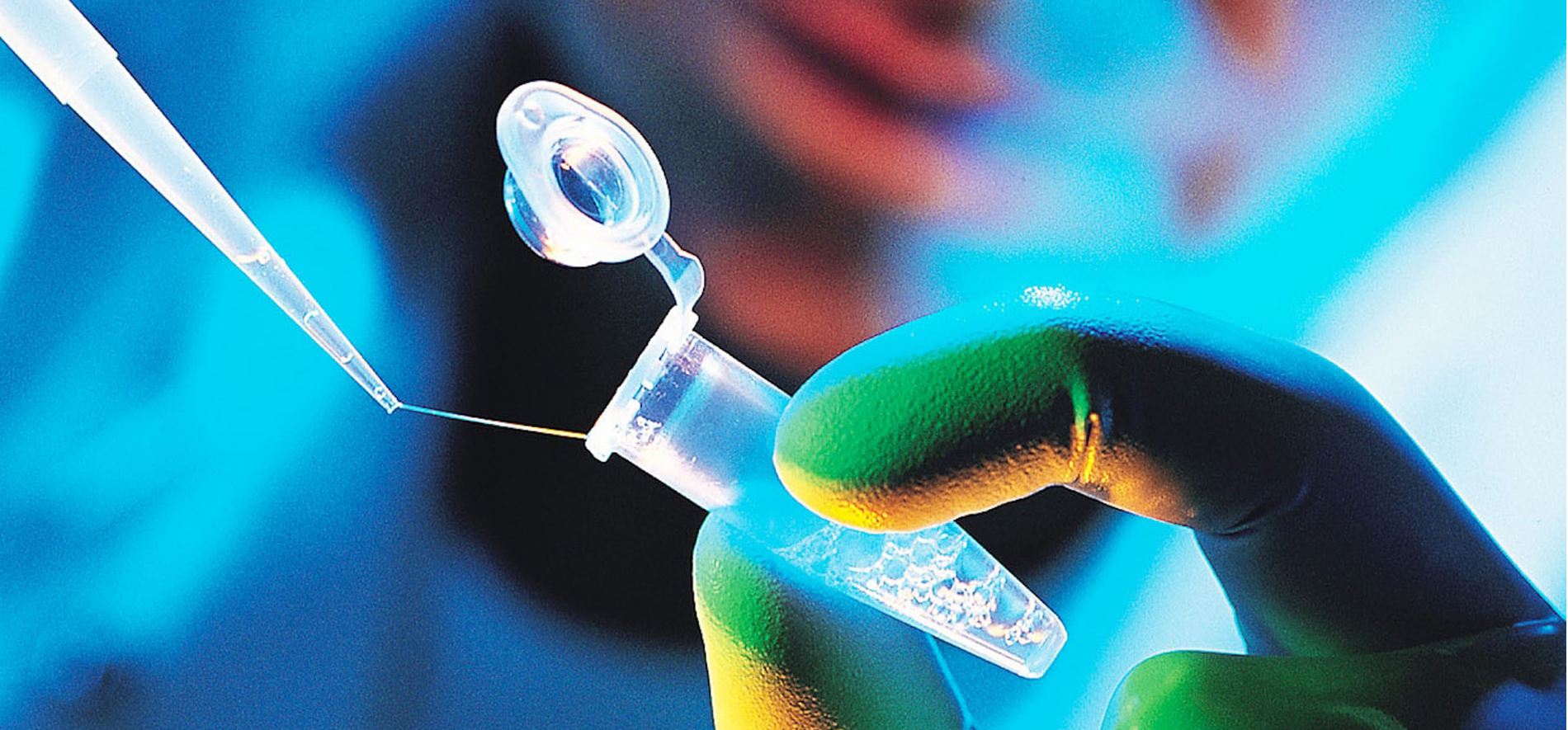
Nucleic acid extraction is the process of isolating DNA or RNA from a sample, such as blood, tissue, or bacterial culture. The extraction of nucleic acids is an essential step in many molecular biology applications, including PCR, cloning, sequencing, and gene expression analysis. Here are the general steps involved in nucleic acid extraction:
Sample preparation: The first step in nucleic acid extraction is to prepare the sample for extraction. Depending on the type of sample, this may involve lysis of cells, homogenization, or disruption of tissues.
Cell lysis: The next step is to lyse the cells to release the nucleic acids. This is typically done using a lysis buffer that contains detergents and other reagents to break open the cell membrane and nuclear envelope. Proteins and other contaminants may also be released during cell lysis.
Removal of contaminants: The sample may be treated with enzymes, such as RNase or DNase, to remove any unwanted RNA or DNA, respectively. Alternatively, the sample may be treated with reagents, such as proteinase K, to remove proteins and other contaminants.
Binding of nucleic acids: The nucleic acids can be selectively bound to a solid support, such as silica beads, using various chemistries such as chaotropic salts, magnetic beads, and anion exchange.
Washing: The bound nucleic acids are washed with buffers containing various salts and organic solvents to remove contaminants, such as salts and proteins.
Elution: Finally, the nucleic acids are eluted from the solid support using a low salt buffer, water or an elution buffer, depending on the type of support used.
There are several techniques involved in nucleic acid extraction, and the choice of technique will depend on the type of sample and the downstream application. Some of the commonly used techniques for nucleic acid extraction are:
Phenol-chloroform extraction: This is a classical method for nucleic acid purification that involves extraction of the nucleic acids using phenol-chloroform and precipitation with ethanol. It is a labour-intensive method that can be prone to contamination.
Silica membrane-based extraction: This is a widely used technique for nucleic acid extraction that involves binding the nucleic acids to a silica membrane or column, washing away contaminants, and eluting the purified nucleic acids. This method is highly efficient and produces high-quality DNA and RNA suitable for many downstream applications.
Magnetic bead-based extraction: This technique involves binding the nucleic acids to magnetic beads, which can be isolated using a magnet. It is a rapid and efficient method and can be automated for high-throughput applications.
Anion exchange chromatography: This method uses anion exchange resin, which binds DNA or RNA molecules, allowing separation from contaminants. The bound nucleic acid is then eluted by altering the pH or ionic strength of the buffer.
Gel electrophoresis: This method separates nucleic acids based on size and charge, by applying an electric field to the sample on a gel. This technique can be used to isolate specific bands of DNA or RNA for downstream applications.
Size-exclusion chromatography: This method separates nucleic acids based on size, by-passing the sample through a column with porous beads. Large nucleic acids are excluded and flow through the column, while smaller nucleic acids are retained and can be collected separately.
|
Technique |
Advantages |
Disadvantages |
|
Phenol-chloroform extraction |
High yield, low cost, versatile |
Time-consuming, hazardous, require specialized equipment |
|
Silica membrane-based purification |
High yield, high purity, compatible with many downstream applications |
Can be expensive, requires specialized equipment |
|
Magnetic bead-based purification Shop for ZymagTM magnetic bead based extraction kits for exciting offers! |
Rapid, high throughput, automation-friendly, compatible with many downstream applications |
Can be expensive, requires specialized equipment ZymagTM is designed with rapid, cost-effective, instrument free processing |
|
Anion exchange chromatography |
High yield, high purity, compatible with many downstream applications |
Can be expensive, and may require optimization |
|
Gel electrophoresis |
Can isolate specific bands of DNA or RNA, cost-effective |
Time-consuming, low yield, low throughput, not suitable for all downstream applications |
|
Size-exclusion chromatography |
Can separate nucleic acids based on size, compatible with many downstream applications |
May not work well with large samples, low yield |
Magnetic beads can be used to isolate nucleic acids from a variety of samples, including blood, tissue, and bacteria. Here are the general steps for preparing magnetic beads for DNA extraction. This consists of four major steps:
1) Cell Lysis: The first step in nucleic acid purification is to prepare the sample for extraction. This involves the lysis of cells using a suitable lysis buffer for the release of DNA.
2) Magnetic bead binding: The bead suspension is added to the lysed cell sample and mixed thoroughly for the binding of DNA onto beads. Magnetic bead bound DNA is separated from the solution using a magnetic separation stand. The unbound solution is discarded.
3) Washing: DNA bound beads are washed using a suitable wash buffer.
4) Elute the DNA: Finally, the DNA can be eluted from the beads using a low salt buffer, water or an elution buffer.
Shop for ZymagTM magnetic bead-based extraction kits for exciting offers!
Materials Required:
Procedure:
Note that the specific volumes, incubation times, and temperatures will vary depending on the magnetic bead, sample type, and nucleic acid being extracted. It's important to follow the manufacturer's protocol for the specific magnetic bead kit being used.
You can explore our nucleic acid extraction kit from our Shop page.
 Cart
Cart